
Established Investment Property or New Build? Comparing the Pros and Cons on the Capricorn Coast
Should an investor buy an established property or build a brand-new one?
There is no universal winner.
The right option depends on the investor’s budget, borrowing capacity, timeframe, tax position, appetite for construction risk and long-term plan.
To make the comparison practical, let’s look at two different types of opportunity currently available on the Capricorn Coast.
An Established Property Example: 59 Monte Carlo Avenue, Zilzie
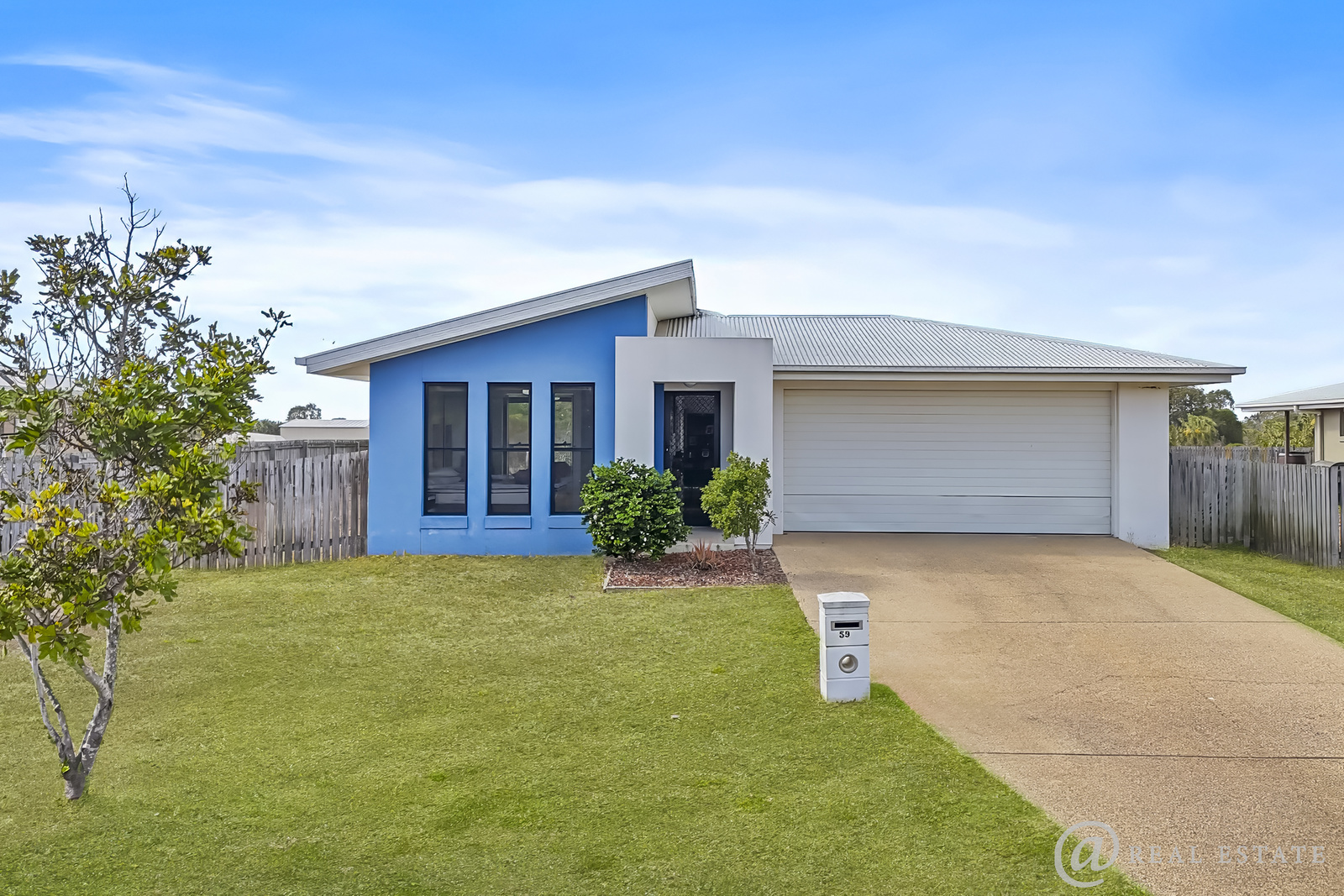
At the time of writing, 59 Monte Carlo Avenue is being offered for sale above $669,000.
It includes:
-
Three bedrooms
-
Two bathrooms
-
Two-car accommodation
-
A flat 800m² allotment
-
A long-term tenant
-
A current lease at $490 per week until 10 November 2026
-
Professional management through @ Real Estate
At a purchase price of $669,000 and rent of $490 per week, the indicative gross rental yield would be approximately 3.81% before expenses.
It is a straightforward established home in the growing Zilzie Bay community, providing an example of how someone can enter the investment market without committing to the cost of a large new build.
A New-Build Example: The Milano at Hidden Valley
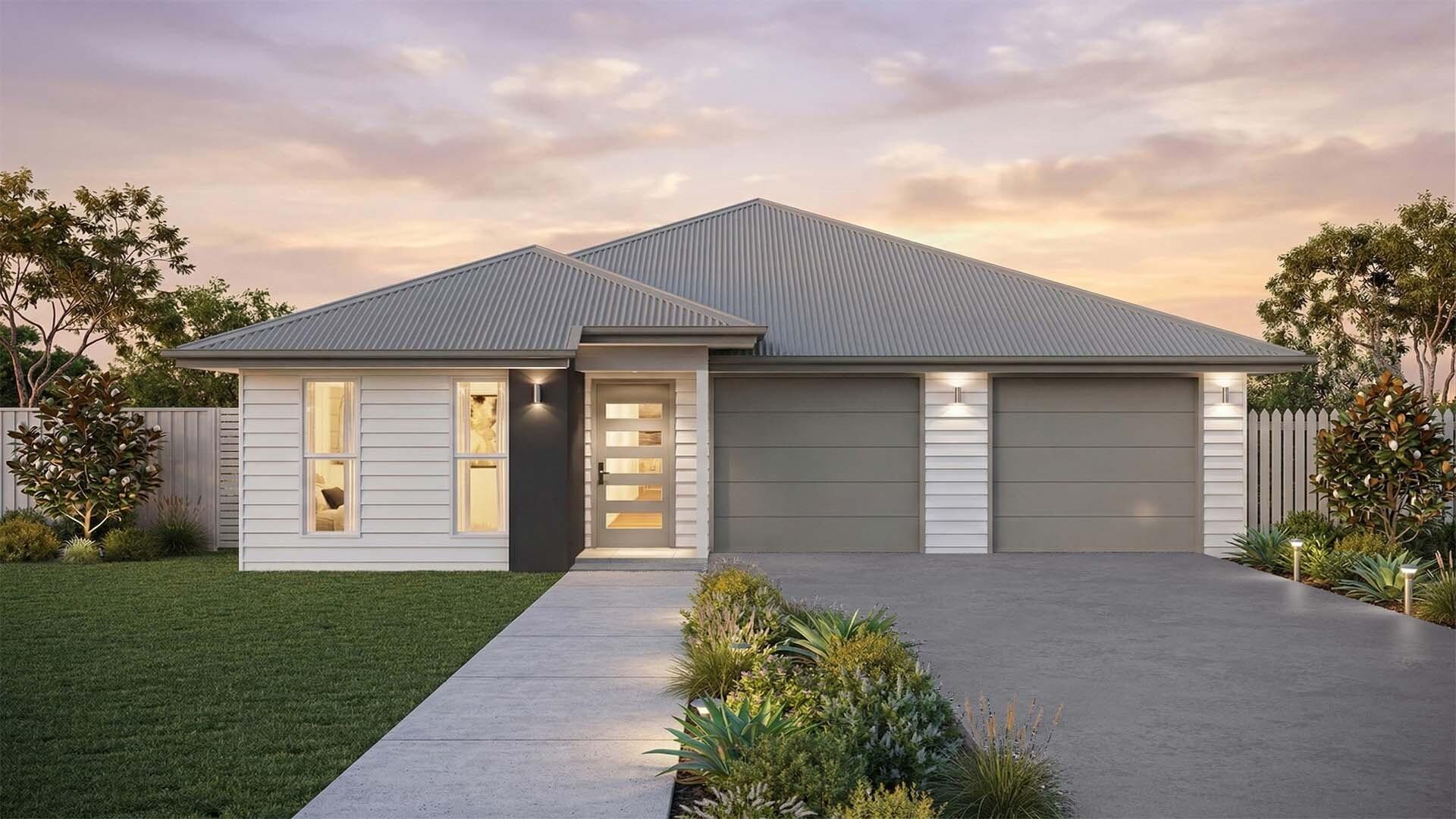
The Milano auxiliary-home package at Lot 1317 Formosa Street is currently priced at $915,000 plus applicable duty on the land purchase.
Its current appraisal suggests combined rent of approximately $1,200–$1,300 per week, equating to an indicative gross yield of around 6.8%–7.4% before expenses.
It requires significantly more capital than the established Zilzie example, but it is also designed to produce more income through separate living functionality.
These properties are not direct substitutes. They suit different investors.
Benefits of Buying an Established Investment Property
1. You Can Inspect What You Are Buying
The house, street, neighbourhood, improvements and condition already exist.
A buyer can obtain building and pest inspections and make a decision based on a completed property.
2. Rental Income Can Begin Sooner
Where a tenant is already in place, income may continue from settlement. Even when vacant, an established property can often be advertised immediately.
3. A Lower Entry Price May Mean Less Debt
An established home may suit investors with a smaller deposit or more conservative borrowing goals.
Lower debt does not automatically mean lower risk, but it can make the investment easier to hold when interest rates or personal circumstances change.
4. The Rental and Sales History Is Easier to Assess
Investors can consider previous rents, comparable leasing results, neighbourhood sales and established tenant demand.
5. There May Be Opportunities to Add Value
Painting, landscaping, improving storage, adding air conditioning or completing a thoughtful renovation may increase tenant appeal and long-term value.
Any work needs to be assessed carefully. Renovation costs can quickly reduce the benefit if they are not reflected in rent or value.
Possible Drawbacks of Established Property
An established property may bring:
-
Older roofing, plumbing, electrical systems or appliances
-
Greater early maintenance
-
Lower depreciation benefits
-
Less energy-efficient design
-
Layouts that do not match current tenant preferences
-
Full transfer duty on the completed property value
-
Unexpected work identified after settlement
This is why a detailed building and pest inspection, realistic maintenance allowance and current rental appraisal are important.
Benefits of Building a New Investment Property
1. Modern Design and Strong Tenant Appeal
New homes can provide the layouts, storage, air conditioning, energy efficiency and low-maintenance finishes modern tenants want.
2. Lower Age-Related Maintenance in the Early Years
Everything from the roof to the appliances starts new. Problems can still occur, but there is less accumulated wear and tear.
3. Warranty Protection
Eligible construction may have contractual warranties and cover through the Queensland Home Warranty Scheme, subject to applicable terms and time limits.
4. Potential Depreciation Benefits
New construction may provide greater eligible capital-works and plant-and-equipment deductions. A quantity surveyor and accountant should assess the actual position.
5. Duty May Apply Only to the Land
Where the land and construction are purchased under genuine separate contracts, duty will generally relate to the land transaction rather than the future building cost.
The purchaser’s solicitor must confirm the treatment of the particular contracts.
6. Purpose-Built Income Potential
An auxiliary home can be deliberately designed to create separate living functionality and more than one potential rental stream.
7. Treatment Under the New Federal Tax Rules
Qualifying new builds can receive different negative-gearing treatment from established residential properties under the rules applying from 1 July 2027.
Investors need individual tax advice about eligibility and the effect of the new rules on their circumstances.
Possible Drawbacks of Building New
Building also introduces risks and costs that do not apply in the same way to a completed home:
-
No rental income while construction is underway
-
Interest and holding costs during the build
-
Possible delays
-
Variations and cost increases
-
Builder and supply-chain risk
-
Landscaping, fencing or inclusions that may not be covered
-
A higher overall purchase commitment
-
Rent and market conditions potentially changing before completion
An auxiliary home may also involve more complex property management because multiple households, parking, privacy, utilities and shared areas must be managed carefully.
Which Is Better?
For one investor, a tenanted established home around the high-$600,000s may provide the right balance of affordability, immediate income and long-term exposure to a growing Capricorn Coast community.
For another, a higher-priced auxiliary home with greater potential rental income, modern construction and possible tax advantages may better support their goals.
Neither decision should begin with, “Which one is better?”
It should begin with:
-
How much can I comfortably invest?
-
How much debt can I safely hold?
-
Do I need income immediately?
-
Can I manage a construction period without rent?
-
What level of maintenance risk am I comfortable with?
-
How important is cash flow compared with other objectives?
-
What does my accountant say about the tax treatment?
-
Which property will local tenants genuinely want?
Those answers are personal. The local information used to make the decision should not be.
Let’s Compare the Options Properly
Our sales and property-management teams work together to help investors compare established properties, traditional new homes and auxiliary-home packages using current Capricorn Coast sales and rental information.
Talk to @ Real Estate for a clear local comparison before deciding which path may suit you.
JOIN OUR INVESTOR COMMUNITY PROPERTY INVESTORS @ THE CAPRICORN COAST
Disclaimer: The properties, prices, leases, rental appraisals and yields referred to in this article were current at the time of writing and may change. Figures are indicative and returns are not guaranteed. This article provides general real estate information only and does not constitute tax, legal, financial, lending, building or investment advice. Seek independent advice appropriate to your circumstances.